Memorizing the Quran is one of the most rewarding goals a Muslim can set. The Prophet ﷺ said: "It will be said to the companion of the Quran: recite and rise, and recite as you used to recite in the world, for your rank will be at the last verse you recite" (Abu Dawud 1464, Tirmidhi 2914).
Many people start with enthusiasm and stop after a few months. The reason is rarely ability. It is usually the lack of a plan that fits real life. This guide gives you that plan.
Before you start: three things you need
- Correct reading. You should be able to read Arabic script with basic Tajweed. Memorizing mistakes is much harder to fix later. If you are not there yet, start with Noorani Qaida first.
- One Mushaf. Always memorize from the same printed copy (the 15-line Madani Mushaf is the most common). Your visual memory will remember where each verse sits on the page.
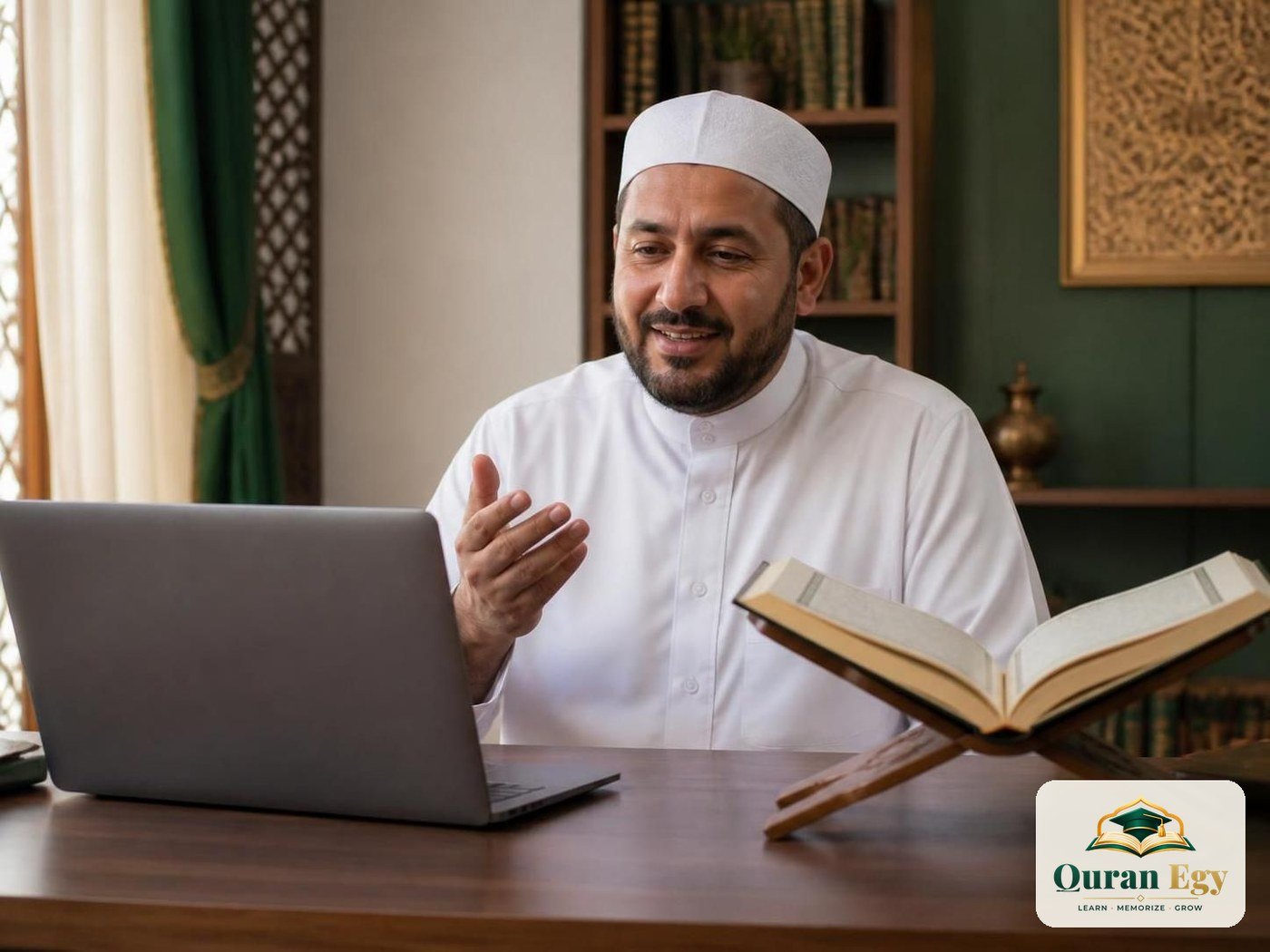
- A teacher who listens. Memorizing alone works for a few surahs. For anything bigger you need someone to hear your recitation, correct mistakes and keep you accountable.
How long does it take to memorize the Quran?
The Quran has 604 pages in the Madani Mushaf. The time it takes depends on how many new lines you add each day:
| New memorization per day | 5 days a week | Approximate time |
|---|---|---|
| 1 page | 5 pages a week | about 2.3 years |
| 1.5 pages | 7.5 pages a week | about 1.5 years |
| 2 pages | 10 pages a week | a little over 1 year |
| Half a page | 2.5 pages a week | about 4.5 years |
These numbers assume steady work and do not include breaks for exams, travel or illness, so add some extra time. Half a page a day is a perfectly good plan for a working adult or a school child. Steady and slow beats fast and abandoned.
The daily routine that works
Every successful Hifz program has three parts. Skipping any of them is the most common reason people forget what they memorized.
1. New lesson (Sabaq)
- Listen to the passage recited by a good reciter 3 to 5 times while following in your Mushaf.
- Read it yourself, looking, until it is smooth.
- Memorize one verse (or one line) at a time. Repeat it until you can say it 5 times without looking, then link it to the previous verse.
- Recite the whole new lesson to your teacher.
2. Recent revision (Sabqi)
Revise the last 20 pages you memorized every day, or as many as you can. New memory is fragile. This is where most forgetting happens.
3. Old revision (Manzil)
Revise older parts in a rotating cycle. A common target is to finish your whole memorized portion every 1 to 2 weeks. When you have memorized 10 Juz, that means about 1 Juz a day.
A simple rule: when time is short, cut the new lesson, never the revision.
Sample schedules
For a working adult (about 45 minutes a day)
- After Fajr (20 min): new lesson, half a page
- During the day (10 min): recite the new lesson in your Sunnah prayers
- After Maghrib or Isha (15 min): recent revision
- Weekend: one longer session for old revision
For a child (30 to 40 minutes a day)
- 3 to 5 lines of new lesson with the teacher
- 1 page of recent revision
- Short old revision, a few short surahs daily
- Lots of listening in the car or before bed
Full-time student (3 to 4 hours a day)
- 2 pages new lesson
- Half a Juz recent revision
- 1 to 2 Juz old revision
Techniques that make memorization easier
- Use it in prayer. Reciting what you memorized in Salah is the best test, and it keeps the verses alive.
- Pay attention to similar verses (Mutashabihat). The Quran has many verses that look almost the same. Note the small differences in a notebook.
- Understand what you memorize. Read a simple translation of the passage before memorizing it. Meaning makes the order of verses easier to remember.
- Memorize at the same time every day. The brain loves routine. Early morning after Fajr is the classic time for a reason.
- Do not move on with weak verses. If a page is shaky, keep it as tomorrow's lesson too.
- Make dua. Ask Allah to make it easy and to keep it in your heart.
Common mistakes to avoid
- Starting with long surahs. Begin with Juz Amma (the 30th Juz) and the short surahs most people already know. See our list of the best surahs to memorize first.
- Memorizing with weak Tajweed and planning to fix it later.
- Only adding new pages and never revising.
- Comparing your pace with others. Some memorize quickly and forget quickly. Consistency matters more than speed.
Memorizing the Quran online
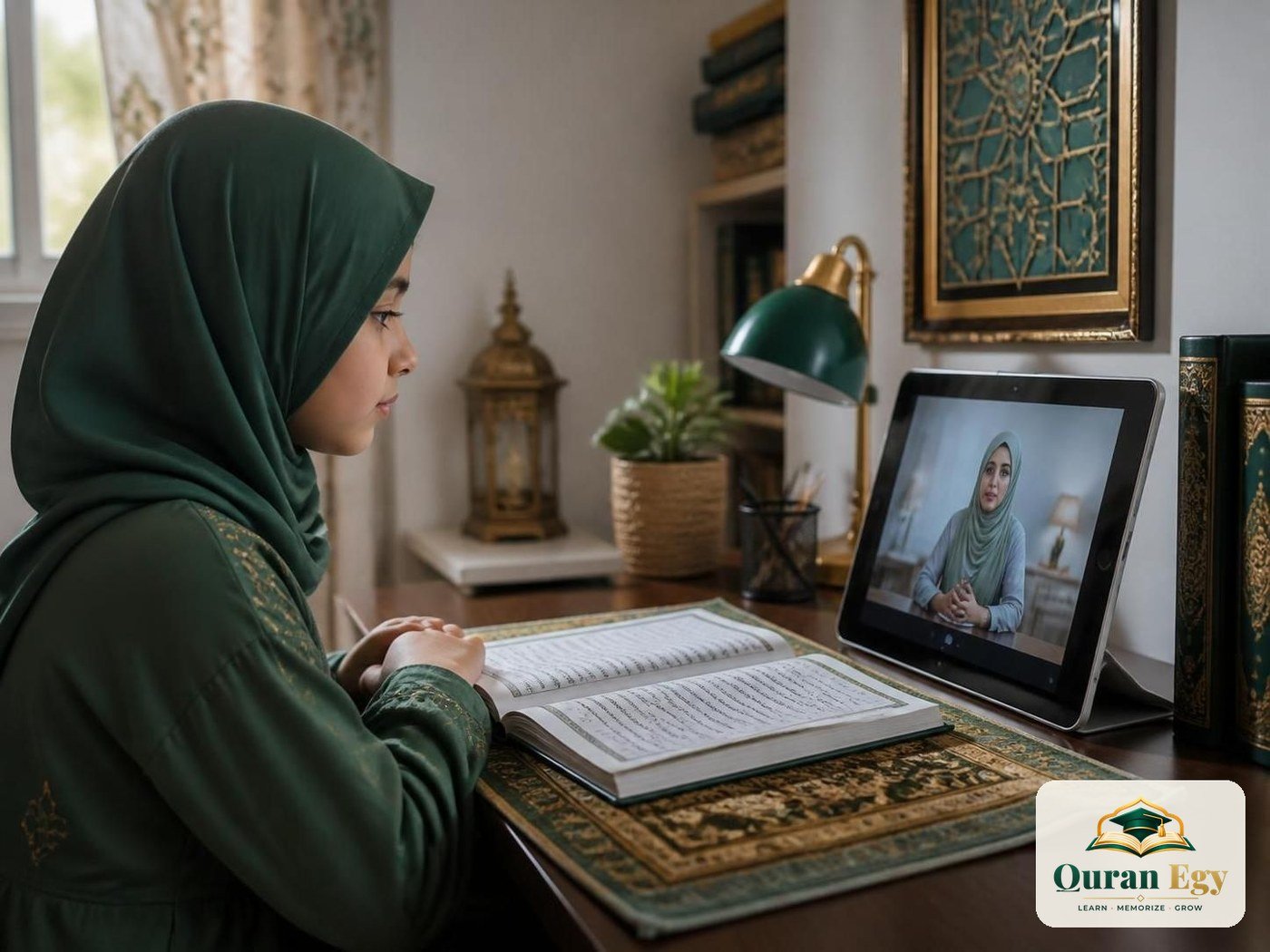
Online classes make Hifz realistic for families in the US, UK and Australia, where a qualified local teacher may not be available. A one-to-one teacher can listen to every line, keep your revision schedule and send progress reports.
At Quran Egy, our Hifz program is taught one-to-one by certified Al-Azhar teachers. Your teacher builds a plan around your level and time, from half a page a week to two pages a day. Book a free trial class and we will help you choose a realistic pace.
Certified Al-Azhar teachers · male & female · kids and adults
Frequently asked questions
Can adults memorize the Quran?
Yes. Adults often memorize more slowly than children, but they understand meaning and plan better. Many people complete Hifz in their 30s, 40s and later.
What age should a child start Hifz?
Most children are ready once they can read fluently, often around 6 to 8 years old. Younger children can start by listening and memorizing short surahs.
What if I forget what I memorized?
Forgetting is normal. Go back to the page, re-memorize it, and add it to your recent revision. Then increase your old revision so it doesn't happen again.